Bridal:Xzmwl36yzo0= Mehndi Design: Hand And Feet
What Exactly Is Bridal Mehndi ?
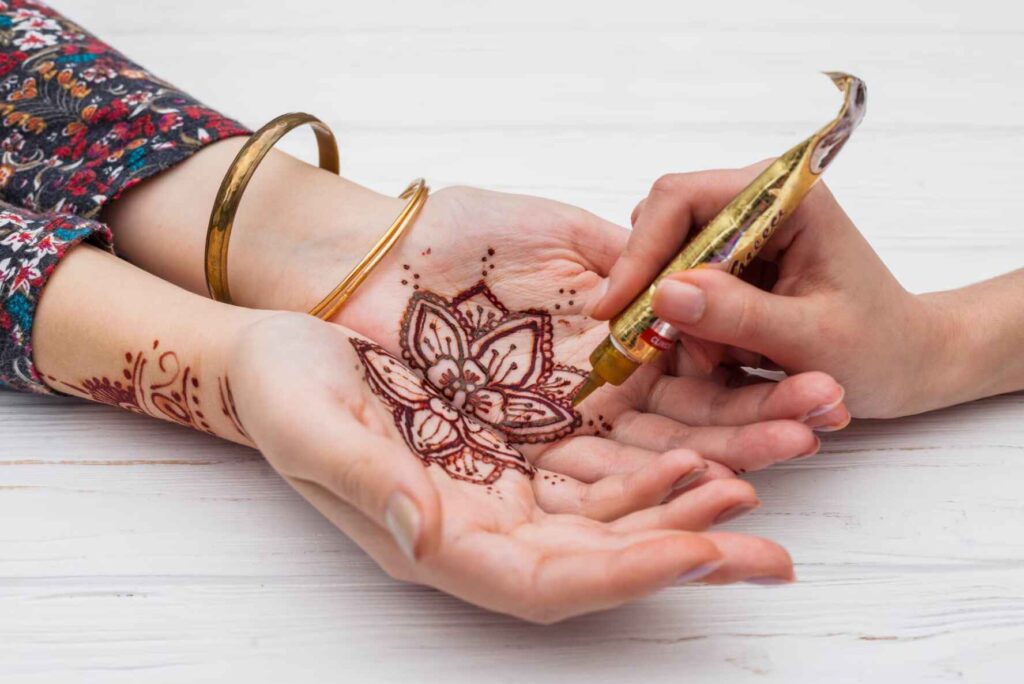
Bridal Mehndi refers to the intricate and artistic application of henna on a bride’s hands, arms, and feet, traditionally done before a wedding. Mehndi (henna) is a key part of many South Asian, Middle Eastern, and North African wedding ceremonies. It holds cultural and religious significance, symbolizing joy, beauty, and the bride’s transformation into a married woman.
The Bridal:Xzmwl36yzo0= Mehndi Design often feature delicate patterns, motifs, and symbols like flowers, paisleys, peacocks, and sometimes even the groom’s name hidden within the designs. The darker the mehndi color, the stronger the belief that the bride will have a deep bond with her spouse. The application process is often celebrated with a Mehndi party, where friends and family gather to enjoy music, food, and festivities.
Bridal:Xzmwl36yzo0= Mehndi Design For Bride’s Hands, Arms, Legs, And Feet
Bridal Mehndi design (Bridal:Xzmwl36yzo0= Mehndi Design) refers to the elaborate and intricate patterns applied on a bride’s hands, arms, legs, and feet using henna (mehndi) as part of pre-wedding customs. These designs are more detailed and time-consuming compared to regular mehndi, often incorporating traditional motifs that represent love, joy, and prosperity.
Bridal:Xzmwl36yzo0= Mehndi Design Key Features
Full Hand & Feet Coverage:
Bridal mehndi often covers the entire hand (both front and back) and feet, extending up to the elbows or even the knees.
Intricate Patterns:
Bridal:Xzmwl36yzo0= Mehndi Design Common elements include floral motifs, paisleys, peacocks, and mandalas, often combined in complex patterns.
Personalized Elements:
Some brides opt to include their and their groom’s initials or names, hidden within the design. Wedding-related symbols like dholkis (drums) and bridal palanquins are also popular.
Symmetry:
Bridal:Xzmwl36yzo0= Mehndi Design are often symmetrical and balanced, enhancing the aesthetic appeal.
Cultural Significance:
Bridal:Xzmwl36yzo0= Mehandi Design may incorporate symbols with specific cultural or religious significance, such as lotus flowers, which symbolize purity and new beginnings.
The Importance Of Mehndi In History
The first known applications of mehndi date back more than five thousand years, to ancient Egypt. Art and historical writings show that it served multiple purposes, including decoration, cooling, and medicine. For ages, mehndi has played a significant role in wedding celebrations across South Asia, especially in Pakistan and India. Henna has been an integral part of Indian weddings ever since it was brought to the country in the 12th century, supposedly by the Mughals.
The Bridal Mehndi And Its Cultural Significance
- Mehndi is loaded with cultural importance and symbolism in many cultures; it is more than just an ornament. The mehndi ceremony is a highly anticipated pre-wedding event in Indian marriages.
- It is customary to decorate the bride’s hands and feet with elaborate patterns the day or two prior to the wedding. Aside from being a joyous occasion to honour the bride’s beauty, this ceremony also serves as a social gathering for the bride’s relatives and friends.
- One common interpretation is that the deeper the mehndi colour, the stronger the marriage bond. A couple’s love for one another is symbolised by the depth of their mehndi.
- Another common notion is that the bride should wait until her mehndi has faded before doing any housework. This is seen as a symbol of the affection and care she would receive from her husband and in-laws.
Components Of Classical Bridal:Xzmwl36yzo0= Mehndi Design
- The elaborate patterns of traditional wedding mehndi designs are world-renowned. A common component of these designs is:
- Traditional Bridal:Xzmwl36yzo0= Mehndi Design typically feature floral motifs and paisleys. Flowers stand for innocence and fresh starts, while paisleys indicate fertility and prosperity.
- Bridal mehndi designs often feature peacocks, a symbol of elegance and beauty.
- Mandala Patterns: The cosmos and eternity are symbolized by mandalas. They are frequently the focal points of Bridal:Xzmwl36yzo0= Mehndi Design.
- As a symbol of the newlyweds’ unity, some Bridal:Xzmwl36yzo0= Mehandi Design feature small figurines of the happy couple.
- Incorporating leaf and flower motifs in a more fluid and continuous style, Arabic mehndi designs are defined by their strong lines and less complex patterns.
- Exquisite Borders and Fillers: Delicate lines, dots, and geometric forms are commonly used to fill the spaces between the primary features, adding to the design’s overall complexity and attractiveness.
Bridal:Xzmwl36yzo0= Mehndi Design With A Contemporary Twist
- Even while traditional wedding dresses are still in vogue, today’s brides typically opt for a hybrid of the two. Some trends that have come up in the last few years are as follows:
- Contrary to the elaborate traditional Bridal:Xzmwl36yzo0= Mehndi Design, some brides choose a more basic approach for their mehndi. These designs exude an air of modern chic thanks to their simplicity, minimalist components, and abundance of negative space.
- The use of coloured mehndi or glitter is a relatively new trend that gives patterns a sparkly, one-of-a-kind look.
- Individualization: Modern brides are going above and above by adding their initials, wedding dates, or meaningful symbols to their mehndi designs.
- Fusion Designs: Incorporating aspects from several civilizations, like Indian and Arabic styles, results in a one-of-a-kind and customized Bridal:Xzmwl36yzo0= Mehndi Design.
- Designs Inspired by Jewelry: In recent years, there has been a rise in the popularity of Bridal:Xzmwl36yzo0= Mehndi Design
that resemble various pieces of jewelry. These patterns enhance the bride’s jewelry by adding a beautiful touch. - A contemporary method that gives designs depth and dimension is 3D mehndi, which is achieved by shading and using various henna consistencies.
Bridal Mehndi Application Method
- A lot of care and skill is required for the application of bridal mehndi. The general procedure is as follows:
- To get the henna to stick, the bride must first wash and exfoliate her hands and feet. To make the stain darker, a mixture of sugar and lemon juice is commonly used.
- The artisan meticulously applies the design using a cone loaded with henna paste. The Bridal:Xzmwl36yzo0= Mehandi Design
intricacy determines how long this might take. - Setting and Drying: After finishing the pattern, it must be dried. Several hours may pass for this. The bride must remain still throughout this period so as not to smear the wedding cake.
- The henna is delicately scraped off once it has dried, and then the colour is developed. In the first four to eight hours, it looks orange, but after that, it turns a deep brown.
How To Get A Deep, Dark Mehndi Colour That Lasts
- Here are some pointers for brides who want their mehndi to be the deepest and longest-lasting shade possible:
- Use henna that is of good quality and made from natural ingredients. Henna that is heavily chemically treated is not only ineffective, but also potentially dangerous.
- To seal and improve the colour of dried henna, apply a mixture of lemon juice and sugar.
- Steam or mild heat applied gently can deepen the mehndi. A hairdryer or steaming hands over hot water are two methods that some brides employ.
- For at least one day following henna removal, refrain from using water to wash the affected region. This gives the colour a chance to fully mature.
- Use of Oils: To prolong the mehndi’s dark colour and preserve it from damage, try applying an oil like mustard or coconut.
Varieties Of Bridal Mehndi Among Cultures
- As far as wedding mehndi is concerned, various locations have their own distinct traditions and styles:
- Indian Mehndi: The elaborate patterns of Indian mehndi typically adorn a sizable section of the fingers and toes.
- Identical to Indian mehndi, but with a focus on geometric and architectural designs in Pakistani mehndi.
- Arabic mehndi is known for its free-flowing patterns, which are commonly adorned with floral and leafy motifs and have large empty spaces.
- Less elaborate yet strikingly unique is African mehndi, which is characterized by geometric designs and tribal motifs.
After The Wedding, There’s Mehndi
Mehndi is applied during several important holidays and events in life, the most well-known of which being the bridal mehndi. On special events like Karva Chauth, Eid, and Diwali, it is used by numerous civilizations. Each new generation brings its own special flair to the age-old practice of mehndi, and the art form develops accordingly.
In summary,
The timeless practice of bridal mehndi is both a beautiful ritual and a deeply significant cultural practice. A joyous occasion honoring love, beauty, and tradition. While Bridal:Xzmwl36yzo0= Mehndi Design and techniques have varied throughout the years, the art’s fundamental principles have stayed the same. As an essential component of wedding rituals worldwide, it remains a universal sign of joy. With the unique inventiveness of today’s brides adding a touch of modernity to this age-old art, wedding mehndi is sure to thrive, seamlessly merging tradition and innovation.